
Live Baccarat Variance: What Shifts During a Single Shoe
The Revolutionary Globe of Bitcoin Casinos
24 de setembro de 2026Piraten gokkasten paypal: wat een speler echt moet afwegen
24 de setembro de 2026Live baccarat variance is the quiet force that decides why a session feels smooth one minute and jagged the next. You sit down, place a few hands, and the numbers swing before you have time to blink. In a market where cost-of-living pressure already squeezes the weekly household budget, understanding that swing matters more than chasing a lucky streak. The game itself does not change its rules mid-shoe, but the distribution of outcomes absolutely does, and that is where sensible play separates itself from hopeful noise.
How a Single Shoe Turns Variance Into Real Money Swings
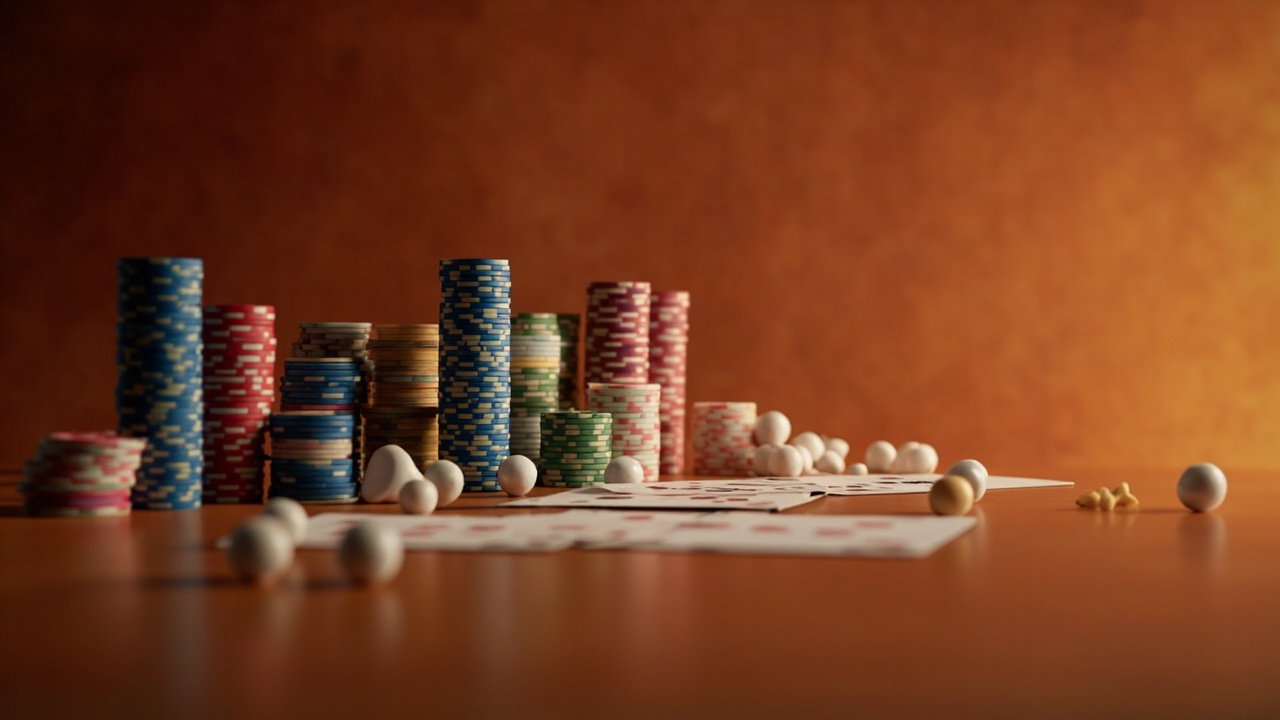
A live baccarat shoe is not a flat line. It is a sequence of independent trials that cluster, thin out, and occasionally run hot or cold in ways that feel meaningful even when they are not. The banker bet carries a small house edge, the player bet sits a touch higher, and the tie wager is a long-shot outlier that can distort a short session without changing the underlying mathematics. When you watch a shoe unfold, variance shows up as streaks, dry patches, and sudden reversals that test your bankroll discipline more than your card sense.Dailytelegraph
The practical question is how much those swings should matter to you on a normal night. If you are betting flat amounts and tracking results by the shoe rather than by the hand, variance becomes a measurement problem, not a mystery. If you are sizing bets around recent outcomes, you are reacting to randomness and calling it pattern. The difference is the difference between a controlled session and a fast bleed.
For a local player booking a quiet arvo at a Hobart pub while the weather turns, that distinction is the whole game. You are not trying to outrun the mathematics; you are trying to keep the session within a range you can afford and a pace you can enjoy. The shoe will do what it does. Your job is to let it.
When the barometer drops and the rain starts spitting against the window, the smart operator knows when to lock in a limit and when to simply enjoy the game. It is about spotting those quiet edges where discipline meets delight, a mindset that any seasoned local CEO would recognise in their own boardroom. Ultimately, you are not playing against the house; you are playing against your own patience, making sure the night ends with a story worth telling rather than a bill you cannot pay.
When you compare that discipline to how a trading desk manages exposure, the parallel is direct. A desk does not panic because a single book moves against it; it watches cumulative risk, keeps position sizes within limits, and lets the short-term noise pass. The same mindset applies at the felt. Variance is not a verdict on your judgement; it is the cost of admission for a game that rewards patience more than prediction.
I have spent fifteen years pricing books, tracking exposure, and watching fraud and AML flags trip on rushed decisions, and the habit that survives longest is the boring one: know your variance before you know your next bet.
Why the Shoe’s Shape Matters More Than the Next Hand
The distribution behind the streak
A shoe can deliver a run of banker wins that looks like a trend and then hand you three player wins in a row just to reset the mood. That is variance doing its normal work. The underlying edge does not move, but through this link the path to that edge over a short sample is wide. If you judge the session by the first twenty hands, you are reading a headline instead of the full story.
What matters is how you size the bet relative to the swing you are willing to absorb. A smaller unit bet keeps the same game playable through a rough patch; a larger unit bet turns a normal cold run into a bankroll problem. The shoe does not care about your plan, but your plan should care about the shoe.
Where the tie bet distorts the picture
The tie wager is the easiest place to misread a session. It pays well, which makes it tempting, but it lands rarely enough that it can either flatter a short run or wreck one without changing the long-run picture. If you are using it as a regular part of your betting pattern, you are adding volatility on top of volatility, and that makes variance harder to read.
A cleaner approach is to treat the tie as an occasional side note, not a core position. When it hits, it hits; when it does not, your session still has a stable base to work from. That is how you keep the game readable instead of turning it into a slot-like swing.
Reading the pace instead of chasing the outcome
Live baccarat has a rhythm that is easy to ignore when you are focused on the result of the next hand. The dealer pace, the timing of the shuffle, and the cadence of the table all shape how variance feels in real time. A fast table compresses more hands into the same evening, which compresses more variance into the same bankroll window. A slower table gives you more time to think, but it also stretches the session and can make a small edge feel larger than it is.
The useful skill is noticing pace and adjusting your expectations, not your bets, to match it. If the table is running hot and the mood is busy, you do not need to increase your stake to participate. You can stay flat, watch the distribution do its work, and leave the session with a clearer read on what actually happened.
That kind of restraint is not glamorous, but it is the same discipline that keeps a risk book from overreacting to a single adverse move. I have seen enough rushed decisions in fraud and AML reviews to know that the expensive mistakes are rarely clever; they are impatient. Live baccarat variance punishes impatience in the same quiet way.
Matching the Game to Your Night and Your Limits
The right session is the one that fits your bankroll, your schedule, and the way you actually want to spend an evening. If you are playing around a payday rhythm, the useful move is to set the session size before you sit down, not after you have watched a few hands and started reacting. That keeps variance inside a range you chose, rather than inside a range the shoe imposed on you.
Mobile usability matters here because a lot of players are not sitting at a desktop for the whole night. A browser or app experience that loads quickly, keeps the table visible, and lets you adjust stakes without hunting through menus is the difference between a controlled session and a distracted one. If the navigation is clumsy or the performance stutters when the table is live, you are not just annoyed; you are more likely to make a rushed call because the interface is fighting you.
That is why a clean mobile fit is worth more than a flashy welcome promise. You want a layout that behaves the same on a phone as it does on a larger screen, with the betting controls where you expect them and the game stream stable enough that you are watching the shoe, not the buffering icon. When the platform is responsive and the navigation is straightforward, you can focus on the variance in front of you instead of the tool underneath it.
For anyone who wants the feel of a live table without leaving the couch, a well-built offering like the starlight princess slot experience shows how a mobile-first layout can keep the session readable on a small screen. The point is not the theme; it is the fit. A responsive table, clear controls, and a stream that holds up through a full shoe make it easier to treat variance as information rather than temptation.
The same logic applies to support and registration. If you need to check a limit, understand a bonus mechanic, or confirm a payment path in AUD before you play, the process should be direct and the terms should be consistent. A loyalty structure that rewards steady play rather than aggressive chasing is a better match for a session built around variance control. None of that removes the swing, but it does remove a layer of friction that can turn a sensible night into a messy one.
Leo Williams, Customer Experience Lead, Capital Territory Gaming Forum, puts it plainly: “Players who treat variance as a session metric rather than a personal score tend to stay longer and leave with a clearer head.” That is the practical win. Not a guaranteed outcome, just a better-shaped one.
Benjamin Hughes, Compliance Director, Murray River Gaming Research, adds the caution that matters in this market: “A clean mobile experience and clear terms are useful, but they do not change the fact that live table play in Australia sits outside local licensing, so the real protection is the player’s own limits.” That is the note to keep in mind. The platform can be well built and still be an offshore offering, which means the discipline has to come from you.
A Calmer Way to Sit the Session
If you want a session that survives its own variance, start with a bankroll number you are comfortable setting aside for the night and a unit size that keeps a rough shoe from becoming a bad evening. Decide whether you are there for a fixed number of shoes or a fixed stretch of time, and let that boundary do the work. Flat betting keeps the read clean. Chasing a streak keeps the read noisy.
The mobile side should support that, not complicate it. If the browser or app version is responsive, the controls are easy to reach, and the stream stays steady, you can keep your attention on the game instead of the interface. That is the practical test of a live baccarat setup for a player who wants the table feel without the desktop hour.
When the night is done, the useful question is not whether the shoe was kind. It is whether the session stayed inside the shape you set before the first card dropped. If it did, variance did what it always does, and you handled it. If it did not, the fix is usually smaller units, a tighter time box, or a clearer read on the tie bet’s role in the mix.starlight princess slot
Have you noticed one shoe running differently from the next, or found a pace that suits your bankroll better than the rest? Share what you have seen, leave a comment, or send this along to a mate who keeps asking why the same game feels so different from one night to the next.
